
PG vs Coliving: Which Accommodation Is Better for Students and Professionals?
Finding the right accommodation is one of the first challenges faced by anyone moving to a new city. Students relocating for higher education and professio…
Finding the right accommodation is one of the first challenges faced by anyone moving to a new city. Students relocating for higher education and professionals starting new jobs often compare two popular housing options: paying guest accommodations and coliving spaces. While both options involve shared living environments, they offer very different experiences in terms of comfort, flexibility, and services.
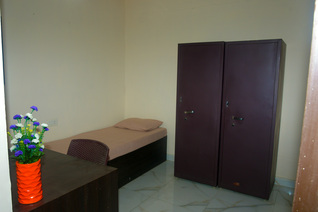
Paying guest accommodation, commonly known as PG housing, has traditionally been the most widely used shared housing option in India. In a typical PG setup, tenants rent rooms in a property owned by a landlord. These accommodations usually provide basic furniture such as a bed and wardrobe, and in some cases meal services are also included. PG accommodations are generally located near educational institutions and office hubs, making them convenient for daily commuting.
However, traditional PG housing often focuses primarily on affordability rather than lifestyle. Facilities may vary depending on the landlord, and the quality of infrastructure can differ significantly from one property to another. Shared rooms, limited amenities, and strict house rules are common features of many PG accommodations.
Coliving spaces have emerged as a modern alternative that addresses many of these limitations. Unlike traditional PG housing, coliving spaces are professionally designed and managed properties that offer premium living environments for urban residents. These spaces typically include private or semi-private rooms along with shared amenities such as coworking areas, gaming lounges, kitchens, and fitness facilities.
Young professionals moving to technology hubs like Bangalore often prefer coliving spaces because they provide a more comfortable and convenient lifestyle. Those searching for managed accommodations in the city frequently explore listings available at PG and coliving in Bangalore, where multiple coliving and premium PG options are available near major employment corridors.
Another major advantage of coliving spaces is flexibility. Many PG accommodations require tenants to commit to long-term rental agreements. Coliving operators, on the other hand, often offer flexible lease durations that allow residents to stay for shorter periods without long-term commitments. This flexibility is particularly beneficial for professionals working on short assignments or students attending temporary courses.
Community engagement is another distinguishing factor between PG housing and coliving spaces. Traditional PG accommodations typically provide minimal opportunities for social interaction among residents. Coliving spaces actively encourage community building through organized activities, shared common areas, and networking events.
Cities like Delhi and Gurgaon have also seen rapid growth in coliving spaces as more professionals relocate to these regions for corporate opportunities. Individuals searching for accommodation in the capital often explore managed housing options available through PG and coliving in Delhi, while professionals working in corporate hubs can find premium shared housing options through coliving in Gurugram.
Cost considerations also influence the choice between PG and coliving. PG housing is often slightly more affordable, but it may lack the amenities and services that enhance everyday living. Coliving spaces may involve a higher monthly rent, but they typically include facilities such as housekeeping, WiFi, maintenance services, and furnished interiors.
Ultimately, the choice between PG accommodation and coliving depends on individual lifestyle preferences. Those seeking basic and budget-friendly housing may find traditional PGs suitable. However, individuals who value comfort, flexibility, and community often prefer coliving spaces.
As urban housing needs continue to evolve, coliving is increasingly becoming the preferred accommodation model for the modern workforce.
Other topics
Browse more articles on HelloWorld—jump to a topic page to see every post in that area.
Similar blogs
 •8 min readThe Silicon Valley of South Bangalore—The 2026 Ultimate Guide to PG and Coliving Near Global Village Tech Park, ISRO Layout, Bangalore
Welcome to the serene yet high-powered tech corridor of South-West Bangalore. In April 2026, Global Village Tech Park (GVTP) in Rajarajeshwari Nagar (RR Na…
 •8 min readLiving Above the Skyline—The Ultimate 2026 Guide to PG and Coliving Near World Trade Center (WTC), Bangalore
Welcome to the pinnacle of corporate prestige in North Bangalore. In April 2026, the World Trade Center (WTC) Bangalore, located within the integrated Brig…
 •9 min readBest Coliving in Bangalore near Christ University BGR 2026: Zero Brokerage & 5G Ready
Welcome to the vibrant soul of South Bangalore. In April 2026, the Christ University Bannerghatta Road Campus (BGR) has solidified its reputation as a prem…
 •5 min readThe Ultimate Tech-Life Balance—PG and Coliving in Hinjawadi, Pune (2026 Edition)
Hinjawadi, Pune, is a bustling hub for tech professionals and students. In April 2026, its rapid growth has solidified its status as the prime location for…