
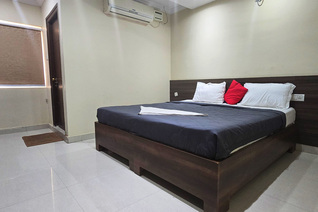
What Is Coliving? The Complete Guide to Modern Shared Living in India (2025 Edition)
As India's cities expand at an unprecedented pace, the way young professionals and students approach housing is undergoing a quiet revolution. The days of…
As India's cities expand at an unprecedented pace, the way young professionals and students approach housing is undergoing a quiet revolution. The days of hunting for a bare-bones paying guest room with a suspicious landlord and a broken geyser are giving way to something far more exciting: coliving. But what exactly is coliving, why is it growing so fast, and is it the right choice for you? This comprehensive guide answers every question you might have about modern shared living in India.
What Is Coliving? A Simple Definition
Coliving is a modern housing model where individuals rent private or semi-private rooms within a professionally managed residential property. Unlike a traditional apartment, the spaces are fully furnished and move-in ready. Unlike a standard PG, coliving places equal emphasis on the physical living environment, the services provided, and the sense of community among residents.
At its core, coliving is built on the idea that urban residents should not have to sacrifice comfort, convenience, or social life just to find affordable housing near their workplace. A well-designed coliving space combines the privacy of your own room with access to shared amenities such as lounges, coworking areas, gyms, and fully equipped kitchens.
HelloWorld, one of India's leading managed coliving platforms operating across 16+ cities, defines the coliving experience as one where residents can move in with just their personal belongings and immediately feel at home. Everything else the furniture, the WiFi, the housekeeping is already taken care of.
The History and Rise of Coliving in India
The concept of shared living is not new to India. Joint family systems, hostels, and paying guest accommodations have existed for decades. However, the modern coliving model as we know it today emerged in the early 2010s, influenced by global trends in co-working and the sharing economy.
The explosion of India's technology sector was a key driver. Bangalore, Pune, and Hyderabad began attracting hundreds of thousands of young professionals from smaller towns and cities who needed quality accommodation near their offices. Traditional PG housing simply could not keep up with the demand for higher standards of living.
Startups began stepping in to fill this gap. By offering professionally designed spaces with transparent pricing, flexible leases, and community programming, coliving operators transformed what had previously been a fragmented and largely unorganised housing market into a structured industry.
Today, India's coliving market is estimated to be worth several thousand crore rupees and is growing rapidly, with major operators like HelloWorld running properties in cities from Delhi to Coimbatore. The COVID-19 pandemic briefly disrupted the sector but ultimately accelerated demand for managed, safe, and well-maintained shared housing.
Key Features of a Modern Coliving Space
When you walk into a quality coliving property, several things immediately set it apart from a traditional PG. Here is what you can typically expect:
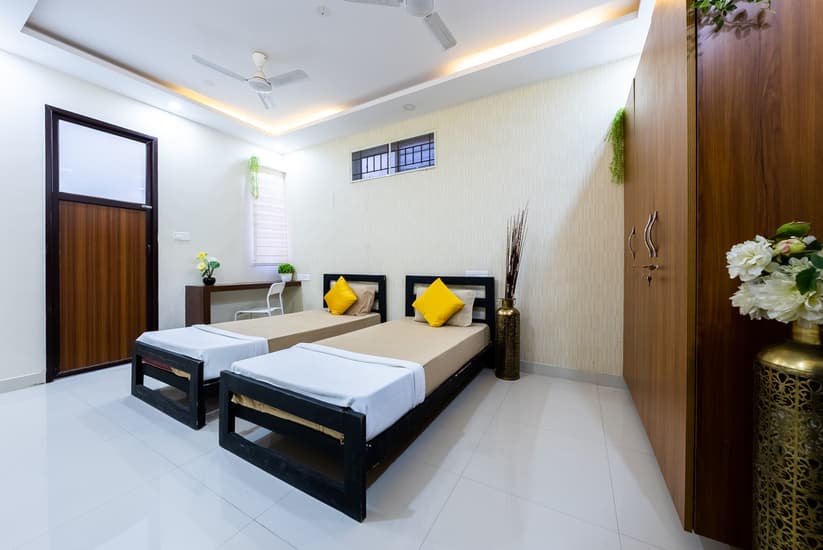
Fully Furnished Private Rooms: Every room comes equipped with a bed, mattress, study desk, chair, wardrobe, and adequate lighting. You do not need to buy a single piece of furniture or negotiate with a landlord about what is included.
High-Speed Internet: Reliable, high-bandwidth WiFi is standard in modern coliving spaces. This is not an optional add-on but a core part of the offering, recognising that today's professionals work, socialise, and entertain themselves online.
Housekeeping Services: Regular room cleaning and maintenance of common areas is included. This alone saves residents significant time and mental energy every week.
Shared Common Areas: Lounges, dining areas, and rooftop terraces are designed to be comfortable, attractive spaces where residents naturally come together. Many properties also include coworking zones, gaming rooms, and fitness areas.
All-Inclusive Billing: Electricity, water, and maintenance costs are bundled into a single monthly fee. No surprise utility bills, no arguments with landlords about who broke the AC.
Security: CCTV surveillance, biometric or keycard access, and on-site staff provide round-the-clock safety. This is especially reassuring for women professionals and for parents whose children are relocating to a new city.
Community Programming: Organised events such as movie nights, networking sessions, hobby workshops, and community dinners help residents connect with each other in meaningful ways.
Who Is Coliving Designed For?
Coliving appeals to a broad demographic, but it resonates most strongly with certain groups:
Young Working Professionals: People in their twenties and thirties who have just moved to a new city for work are the primary residents of most coliving spaces. They want a comfortable place to live without the hassle of furnishing an apartment or managing a landlord relationship.
Students and Recent Graduates: Many students from out of town prefer the structure and safety of a managed coliving or hostel environment over unmanaged rentals. HelloWorld's student hostel offerings, particularly in cities like Kota, cater specifically to this group.
Professionals on Short-Term Assignments: Consultants, project managers, and contract workers who are in a city for three to six months need flexible housing that does not require a long lock-in period. Coliving delivers exactly this.
People New to a City: Anyone navigating the social and logistical challenges of settling in a new urban environment will find the built-in community of a coliving space invaluable.
Coliving vs Traditional PG: What Makes the Difference?
The most common comparison people make is between coliving and traditional PG accommodation. Both involve shared living, but the differences are significant.
A traditional PG is typically a residential home where a landlord rents out spare rooms. Quality varies enormously from property to property. Rules can be strict, facilities are often basic, and there is little effort made to create a community among residents. The relationship is transactional you pay rent, you get a room, you are largely on your own.
Coliving spaces, by contrast, are built from the ground up with the resident experience in mind. Properties are purpose-designed or extensively renovated to meet specific standards. Management is professional and responsive. The emphasis is on creating a lifestyle, not just providing a roof.
HelloWorld's Coliving Model: What Sets It Apart
HelloWorld has built one of India's most extensive coliving networks with 250+ spaces across 16+ cities and a community of over 25,000 residents. The platform operates with a clear set of values: transparency, quality, flexibility, and community.
One of the most resident-friendly policies HelloWorld offers is just one month's security deposit, a significant contrast to the two-to-six months' deposit typically demanded by independent landlords. There is also no brokerage or hidden fee structure, which means residents know exactly what they are paying before they move in.
The minimum lock-in period is kept short to accommodate the unpredictable nature of modern careers. If a job transfer or a life change requires a quick move, residents are not trapped by an inflexible rental contract.
Residents can explore available properties in Bangalore at Explore coliving in Bangalore, in Delhi at Coliving In Delhi, and in Pune at Coliving In Pune, among many other cities.
The Financial Case for Coliving
A common misconception is that coliving is more expensive than renting a traditional apartment. When you break down the actual costs, the comparison often tells a different story.
Renting an unfurnished apartment in a city like Bangalore typically requires a security deposit of two to three months' rent, plus the cost of purchasing furniture, a refrigerator, a washing machine, and other essentials. You then pay utility bills separately each month on top of your rent.
With coliving, you pay a single all-inclusive monthly fee. The furniture is already there. The WiFi is already running. The utilities are covered. For someone moving to a new city without these assets, the coliving model often works out significantly cheaper in the first year and far less stressful throughout.
The Social Benefits of Coliving
Beyond the practical advantages, many residents cite the social dimension of coliving as the most valuable part of the experience. Moving to a new city can be isolating, particularly for people who are far from their family and existing social networks.
Coliving spaces naturally create opportunities for organic social connection. Shared kitchens lead to shared meals. Common lounges lead to conversations. Organised events create structured opportunities to meet people you might never have crossed paths with otherwise.
Over time, many coliving residents build friendships and professional networks that extend far beyond their time at the property. For many young professionals, their coliving community becomes their primary social world in a new city a tribe of people who are navigating similar experiences of ambition, change, and growth.
Sustainability and the Future of Coliving in India
Coliving is also, in many ways, a more sustainable approach to urban housing. Shared resources kitchens, washing machines, common areas mean that the environmental footprint per resident is lower than in individual apartments. Dense, well-located coliving properties reduce commuting distances and encourage walkability.
As India's urban population continues to grow and the demand for quality housing in well-located areas intensifies, coliving is well positioned to play an increasingly important role in the housing ecosystem. The model addresses multiple challenges simultaneously: housing affordability, social isolation, sustainability, and the demand for flexibility.
How to Choose a Coliving Space in India
If you are considering coliving, here are the key factors to evaluate before committing to a property:
Location: Is the property well connected to your workplace and to the amenities you use regularly? A great coliving space in a poorly connected area is still a logistical challenge.
Included Services: What exactly is covered in the monthly fee? Make sure you have a clear list before signing anything.
Room Type: Do you want a fully private room or are you comfortable with a twin-sharing arrangement? Both options are available at different price points.
Community Fit: Visit the property if possible and get a sense of who the other residents are. The community is one of the most valuable aspects of coliving, so it helps to find a property where you feel comfortable.
Platform Reliability: Choose a managed operator with a strong track record. HelloWorld's presence across 16+ cities and its 25,000+ strong community is a signal of operational maturity and trust.
Conclusion
Coliving represents a fundamental rethinking of what shared housing can be. By combining the convenience of a service apartment with the social richness of a community and the flexibility that modern careers demand, it has become the preferred housing choice for a growing generation of urban Indians.
Whether you are a fresh graduate moving to Bangalore, a professional on a three-month project in Hyderabad, or a student studying in Kota, HelloWorld's coliving network offers a home that is designed around your life, not the other way around.
Explore your options today at HelloWorld
Other topics
Browse more articles on HelloWorld—jump to a topic page to see every post in that area.
Similar blogs
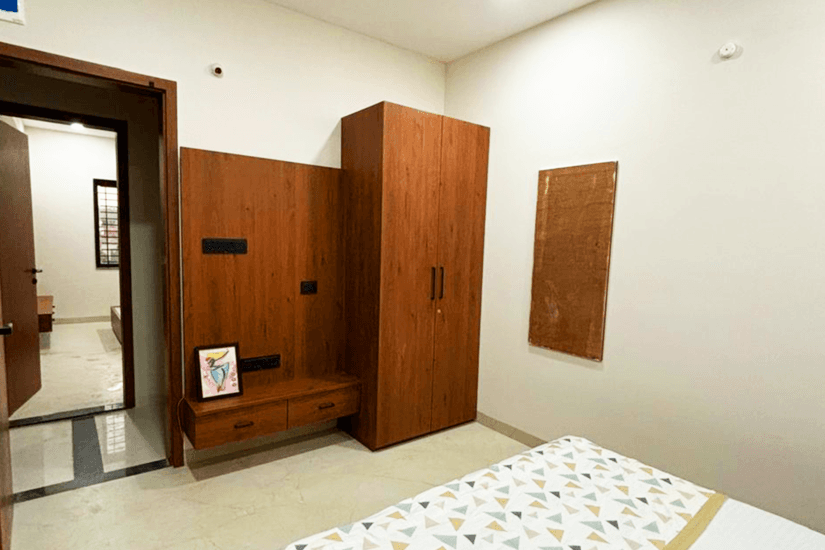 •5 min readThe Ultimate Tech-Life Balance—PG and Coliving in Hinjawadi, Pune (2026 Edition)
Hinjawadi, Pune, is a bustling hub for tech professionals and students. In April 2026, its rapid growth has solidified its status as the prime location for…
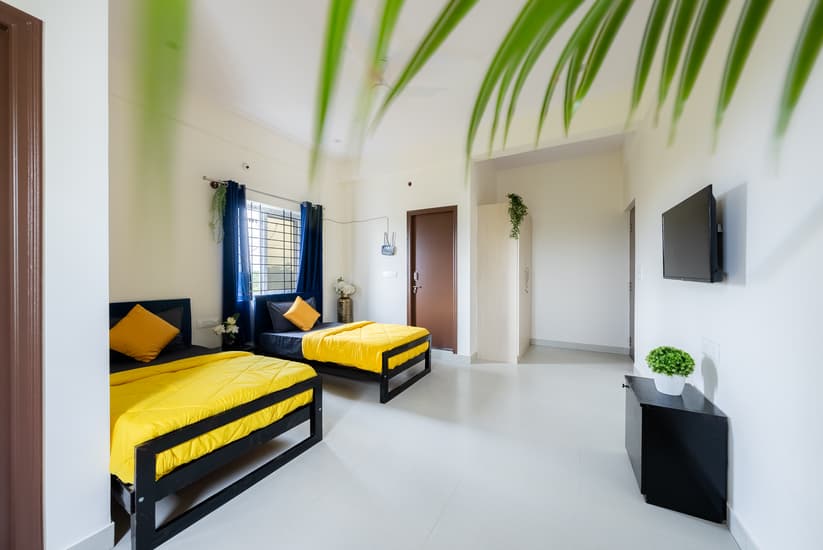 •7 min readThe Ultimate Guide to PG and Coliving in Noida City Centre (2026 Edition)
Finding the right place to live in Noida City Centre can be a challenge. This bustling area, the functional heart of Noida, offers a variety of living opti…
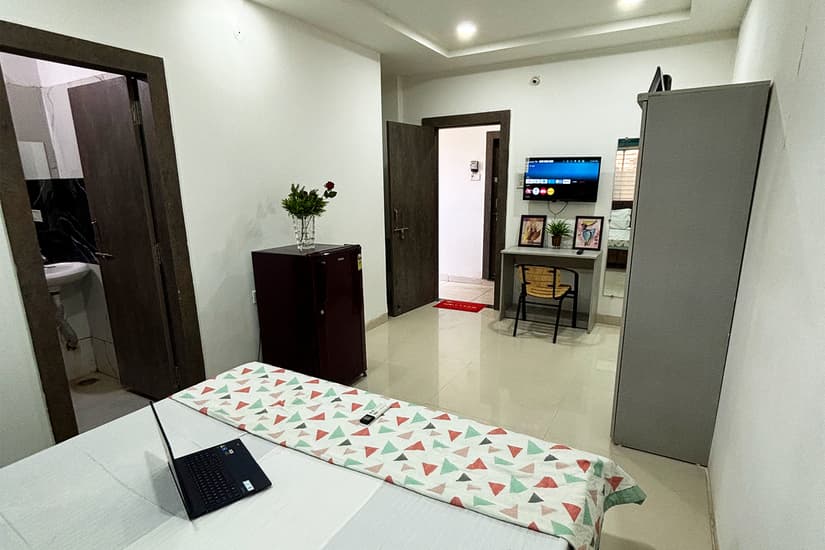 •6 min readThe Ultimate Guide to PG and Coliving in BTM Layout – Living in the Gateway to South Bangalore’s Tech Hubs (2026 Edition)
Welcome to BTM Layout (Byrasandra, Tavarekere, and Madivala Layout), the ultimate residential powerhouse of South Bangalore. In April 2026, BTM Layout has…
 •4 min readPG and Coliving in Maujpur-Babarpur – The 2026 Ring Metro Epicenter
In 2026, Maujpur-Babarpur has officially transitioned from a bustling East Delhi neighborhood into one of the most critical transit landmarks in Asia. With…