


PG stands for Paying Guest, where you pay a monthly fee for a room plus services like food, Wi-Fi, and basic utilities.
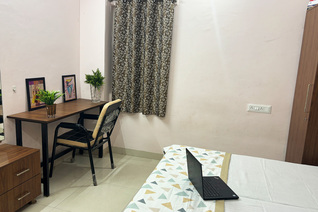
Understanding the Meaning of PG Room
Discover the essence of PG rooms and why Paying Guest accommodation offers a cost-effective balance of comfort, utilities, and convenience for city newcomers.
•6 min read•Updated 2026-04-09
Moving to a new city for your first job is thrilling, but managing utility bills quickly drains that excitement. If a private apartment feels too expensive, you might be searching for the exact pg room meaning. Short for "Paying Guest," this setup acts as a convenient "home-plus" environment. According to common industry standards, the pg meaning in english describes a service-oriented arrangement where an owner provides daily amenities alongside your personal living space.
Does managing multiple bills sound exhausting? The primary appeal of a PG room comes down to the financial relief of bundled living. Instead of juggling separate expenses, one predictable fee covers your rent, food, and Wi-Fi. Furthermore, having the owner on-site creates a valuable social safety net for urban newcomers.
Decoding the PG Meaning: Why It's the Middle Ground Between Home and a Hotel
Relocating often forces you to choose between an expensive apartment and a temporary hotel. The pg full form reveals a practical middle ground. The pg home full form simply stands for "Paying Guest." Essentially, the definition of paying guest accommodation means paying a single monthly fee for a furnished bed, shared living spaces, and essential daily utilities.
Unlike traditional rental leases, this setup uses license-based living, which centers entirely on "access versus control." Renting a private flat provides you with a key and complete legal control over an empty space. Conversely, signing a pg room full form agreement simply grants you access to specific amenities while the owner retains overall property control to enforce house rules.
Because these managed properties come completely furnished, you skip the hassle of buying mattresses or fixing broken appliances yourself. However, this hands-off convenience requires adapting to shared living dynamics, shifting the focus to how this experience compares to a hostel in terms of privacy and daily schedules.
PG vs. Hostel: How to Choose Based on Your Privacy Needs and Daily Schedule
When weighing your options, the difference between pg and hostel living comes down to room-sharing ratios and the overall vibe. Hostels cater to a high-density academic crowd, often packing four to six beds per dorm. Conversely, the pg meaning in hostel contexts translates to a more mature co-living environment. PGs offer lower room-sharing ratios (usually single or double occupancies) and feature home-style meal services or a flexible "mess" that easily beats a basic hostel cafeteria.
Deciding between paying guest vs hostel life or a traditional apartment requires balancing three key factors for your daily routine:
- Privacy: Apartments offer total isolation, PGs provide private bedrooms with shared lounges, and hostels are heavily communal.
- Flexibility: Apartments require strict 11-month leases, while PGs allow forgiving, short-term stays.
- Services: Apartments are completely "do-it-yourself," whereas a pg vs hostel comparison shows PGs bundle premium daily amenities like housekeeping.
The All-Inclusive Math: How PG Rent Covers Your Utilities, Food, and Peace of Mind
Managing multiple utility bills sounds exhausting when you are already adjusting to a new city. Unlike traditional apartments where every living expense is "unbundled" and paid separately, a Paying Guest setup simplifies your daily budgeting through bundled pricing. With PG rent inclusive of bills, one monthly payment covers the physical room, water, high-speed Wi-Fi, and basic electricity. This flat fee also generally includes PG food and mess facilities, meaning a hot dinner might already be waiting for you after a long shift.
The upfront financial commitment is equally forgiving. A traditional landlord might demand six months of rent in advance, whereas a standard security deposit in PG rooms usually requires just one or two months. Still, you should clarify what the "all-inclusive" label actually excludes. While basic utilities are covered, owners often charge extra for high-power appliances like private air conditioners.
Locking in these predictable costs gives you incredible peace of mind, freeing you up to thoroughly evaluate the physical space before moving in.
Inspecting Your Future Home: 5 Red Flags to Spot Before Paying Your Security Deposit
Stepping into a potential home is exciting, but a smart walkthrough prevents future headaches. When deciding how to find PG accommodation near workplace hubs, look past the fresh paint and cozy pillows. Keep this essential checklist of what to check in a PG room inspection handy:
- Water and Power: Test bathroom taps and ask if backup generators exist for summer outages.
- Meal Quality: Visit during lunch or dinner to inspect the actual food being served.
- Security/CCTV: Verify active cameras and entry logs, which are crucial safety measures for female PG residents.
- Wi-Fi Speed: Run a quick network test on your phone inside your specific bedroom.
- Existing Roommate Feedback: Ask current tenants about their living experience when the owner is not listening.
Creating this honest resident feedback loop reveals the real truth about internet reliability and maintenance speeds. Once the physical space passes your test, clarify exit terms before paying the deposit. Specifically, ask about the "notice period," the formal heads-up (usually 30 days) you must give before moving out to get your money back. Securing this agreement smoothly sets clear expectations for your stay.
Beyond the Bed: Navigating House Rules and Notice Periods Like a Pro
You no longer have to guess whether a PG or an apartment is right for your next move. You can now clearly frame this choice as convenience versus complete freedom. Living in a PG means joining a community, where the responsibilities of a paying guest resident center on mutual respect for shared spaces. Adhering to standard PG rules for working professionals, like curfews or specific guest policies, ensures daily harmony for everyone living under the same roof.
Before packing your bags, remember that even the friendliest setups require basic legal formalities for PG accommodation. Always secure a simple written agreement detailing your rent, deposit, and included services. Using this decision-making framework guarantees your peace of mind while keeping your new lifestyle budget-friendly. With a clear grasp of how these shared spaces function, start your search with confidence. Tour a few properties, ask the right questions, and find a welcoming space that truly feels like home.
Other topics
Browse more articles on HelloWorld—jump to a topic page to see every post in that area.
Frequently Asked Questions
PGs usually have fewer roommates, more flexible stays, and home-style services, while hostels are typically denser and more institutional.
Most PGs include room, water, Wi-Fi, and basic electricity, but you should confirm exclusions like AC usage or appliance charges.
Test water and power, check meal quality, verify CCTV and Wi-Fi speed, ask tenant feedback, and confirm notice period in writing.
Similar blogs
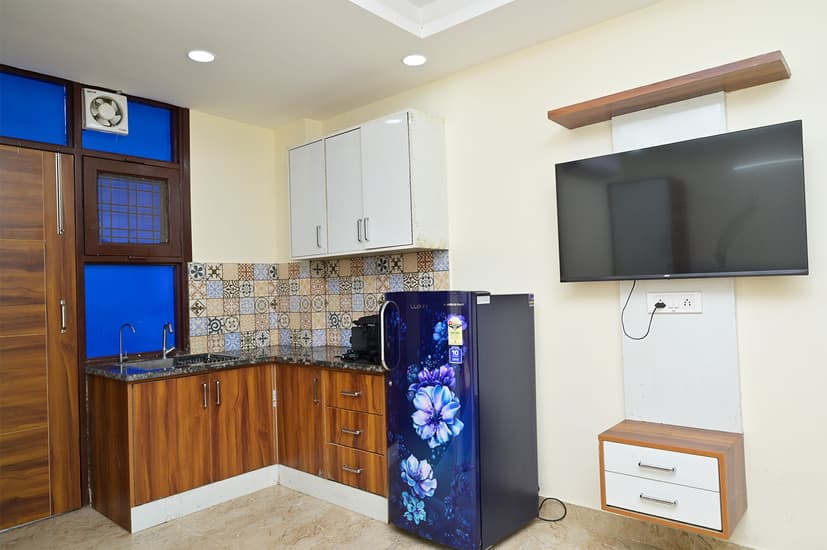 •7 min readThe Tech-Life Revolution - Your Strategic Guide to PG and Coliving Near Prestige Tech Park, Bangalore (2026 Edition)
Welcome to the beating heart of India’s Silicon Valley. In April 2026, Prestige Tech Park (PTP) on Marathahalli-Sarjapur Outer Ring Road (ORR) has solidifi…
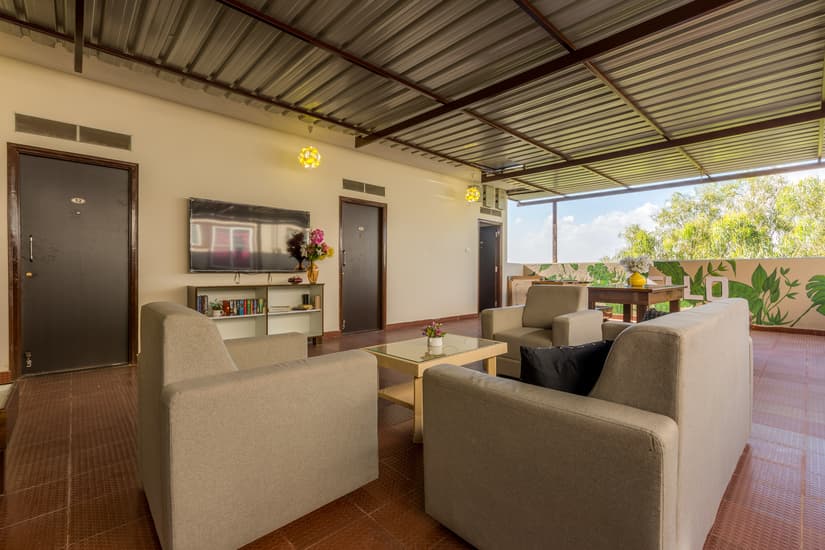 •8 min readLiving at the Center of the Universe—The Ultimate 2026 Guide to PG and Coliving Near MG Road Metro Station, Bangalore
Welcome to the heartbeat of the Garden City. In April 2026, MG Road remains the undisputed crown jewel of Bangalore’s urban landscape. While the city has e…
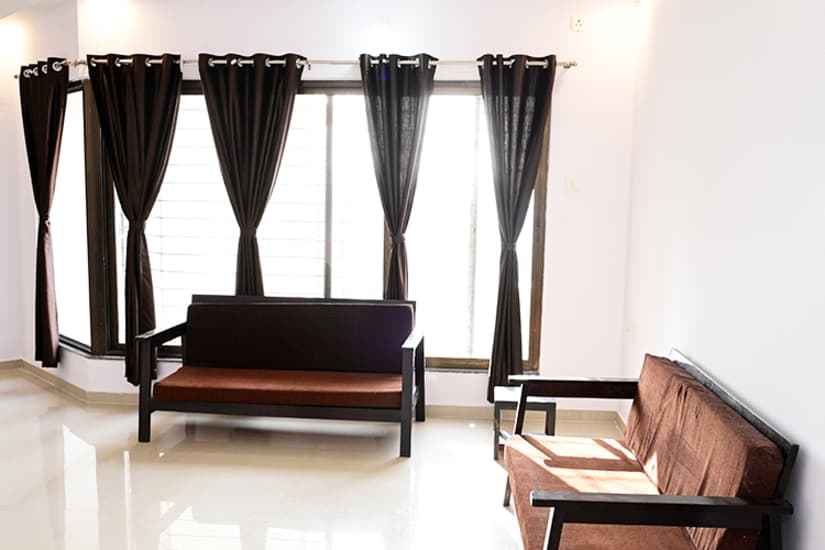 •7 min readBest PG and Coliving near JSpiders, BTM Layout: The 2026 Developer’s Guide to Success
Welcome to the epicentre of South Bangalore’s coding revolution. In April 2026, JSpiders in BTM Layout remains the undisputed king of Java and Full-Stack d…
 •5 min readThe Ultimate Tech-Life Balance—PG and Coliving in Hinjawadi, Pune (2026 Edition)
Hinjawadi, Pune, is a bustling hub for tech professionals and students. In April 2026, its rapid growth has solidified its status as the prime location for…