
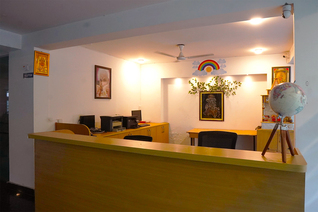
Month-to-Month Flexibility: Why Short-Term Coliving Is Ideal for India's Mobile Professional Class
India's professional class is more mobile than it has ever been. The days of joining a company fresh out of college and staying for twenty years are gone.…
India's professional class is more mobile than it has ever been. The days of joining a company fresh out of college and staying for twenty years are gone. Today's professionals change jobs, cities, and even career paths with a frequency that would have seemed extraordinary to the previous generation. And this mobility creates a housing problem: how do you live well in a city when you are not sure how long you will be there?
The answer, for a growing number of India's mobile professionals, is short-term coliving. This blog explores why flexibility has become the defining demand in urban housing, how coliving meets this demand better than any other option, and what to look for in a flexible coliving arrangement.
The New Reality of Professional Mobility
Consider the range of situations that create demand for flexible, short-term housing:
A software engineer receives a six-month project assignment in Hyderabad before returning to their home base in Pune. A management consultant is staffed on a client engagement in Delhi for three months. A startup founder is spending a quarter in Bangalore for fundraising meetings and ecosystem building. A professional has accepted a new job in Mumbai but wants to try the city for three months before committing to a longer-term lease. A recent graduate is doing a three-month internship conversion before receiving a full-time offer.
All of these situations share a common feature: the professional needs quality accommodation for a defined, relatively short period, without the commitment and capital outlay of a long-term lease. Traditional rental accommodation serves this need poorly. Coliving serves it excellently.
Why Traditional Leases Fail Mobile Professionals
Indian residential leases are typically structured for an eleven-month minimum term, reflecting the legal framework of tenancy agreements in most states. Even PG accommodation, which is more flexible, is increasingly shifting toward longer minimum commitments as landlords seek tenancy security.
The practical problem is stark. A professional on a six-month project assignment who signs an eleven-month lease will pay five months of rent for accommodation they are no longer using. Alternatively, they will face the cost and complication of breaking the lease early forfeiting part of their deposit and potentially paying a penalty.
Neither outcome is satisfactory. The result is that many professionals on short assignments end up in expensive hotels or guesthouses, which are far costlier than managed coliving on a monthly basis and provide none of the community or lifestyle benefits.
HelloWorld's Flexible Lease Structure
HelloWorld has built flexibility into its lease structure as a core design principle, not an afterthought. The minimum lock-in periods across HelloWorld properties are kept intentionally short, recognising that residents' lives and careers do not follow predictable schedules.
This flexibility is genuine, not just marketing language. Residents who need to leave a HelloWorld property with relatively short notice because a project ends, a job changes, or a personal situation evolves can do so without facing punitive financial penalties.
The platform's presence across 16+ cities also means that a resident who needs to move from one city to another can transition within the HelloWorld network maintaining continuity of service quality, community values, and management standards even as their location changes.
The True Cost of Short-Term Stays
When evaluating options for short-term accommodation, it is important to compare costs carefully. Hotels and service apartments look flexible because they can be booked by the night, but their monthly cost is typically two to four times higher than managed coliving for equivalent quality of accommodation and location.
For a professional spending three months in a city on a project assignment, the difference between a daily hotel rate and a monthly coliving rate can easily amount to Rs 30,000-60,000 over the period. This is money that comes directly out of the professional's pocket unless their company reimburses accommodation costs and even when companies do reimburse, the reasonable accommodation allowance often aligns much more closely with coliving pricing than with hotel pricing.
Corporate and Project-Based Housing: HelloWorld's B2B Offering
HelloWorld's flexible coliving model also serves the needs of companies managing employees on project assignments and relocations. Companies that regularly station employees in cities away from their home base face the choice between expensive hotel accommodation and the complexity of managing individual apartment leases.
HelloWorld's managed coliving solution offers a middle path: quality accommodation at reasonable monthly rates, with the flexibility to adjust tenure as project timelines evolve, and with the professional management overhead handled entirely by HelloWorld rather than by the company's HR or admin teams.
What to Check for Genuinely Flexible Coliving
Not all coliving operators that market themselves as flexible actually deliver flexibility in practice. When evaluating a coliving space for short-term or flexible usage, check:
Minimum lock-in period: What is the actual minimum commitment, and what happens if you need to leave before it expires?
Notice period: How much advance notice is required before departure? Thirty days is reasonable; three months is not compatible with genuine flexibility.
Early departure terms: If you need to leave before your notice period, what are the financial implications? Transparent, reasonable early departure terms are a sign of a genuinely flexible operator.
Transfer options: Can you move to a different HelloWorld property if your situation changes? The ability to transfer within the network is a significant flexibility advantage.
Coliving for Project Professionals: The Ideal Routine
A well-chosen HelloWorld coliving space creates an ideal living environment for project-based professionals who are in a city for a defined period.
You arrive, check in, and are immediately in a fully functioning home. You can start working within hours of arrival if necessary. You have access to a professional working environment for the days you work from home. You have a ready-made social community that makes the potentially isolating experience of being in a new city for a short time genuinely enjoyable. And when the project ends, you check out cleanly without the complications of deposit disputes or furniture disposal.
For many professionals who do this regularly, HelloWorld becomes their consistent home-away-from-home across different cities a trusted constant in an otherwise unpredictable professional life.
Conclusion
Flexibility is the defining housing requirement of India's mobile professional generation, and HelloWorld is designed from the ground up to deliver it. Short lock-in periods, transparent exit terms, multi-city network transfers, and the ability to move in and out cleanly without financial penalty make HelloWorld the obvious choice for professionals whose careers keep them on the move.
Explore flexible coliving options across India at HelloWorld.
Other topics
Browse more articles on HelloWorld—jump to a topic page to see every post in that area.
Similar blogs
 •7 min readThe Ultimate 2026 Guide to PG and Coliving near Qspiders Rajajinagar — Your Career Launchpad
When you decide to join Qspiders in Rajajinagar, you aren't just enrolling in a training institute; you are entering the "Skill-Up Capital" of Bangalore. I…
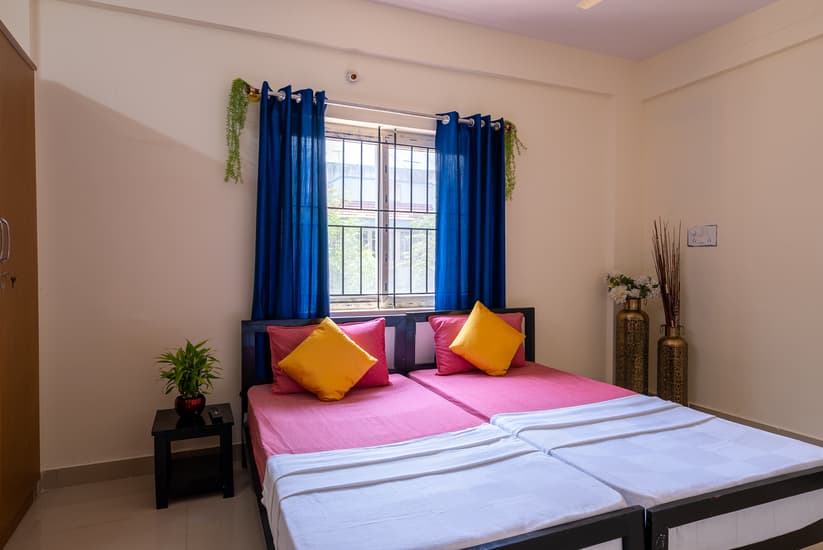 •8 min readThe Ultimate Guide to Student Excellence—2026 Edition of PG and Coliving Near Mount Carmel College (MCC), Benson Town, Bangalore
Welcome to the prestigious heart of North-Central Bangalore. In April 2026, Mount Carmel College (MCC) in Vasanth Nagar/Benson Town remains a symbol of aca…
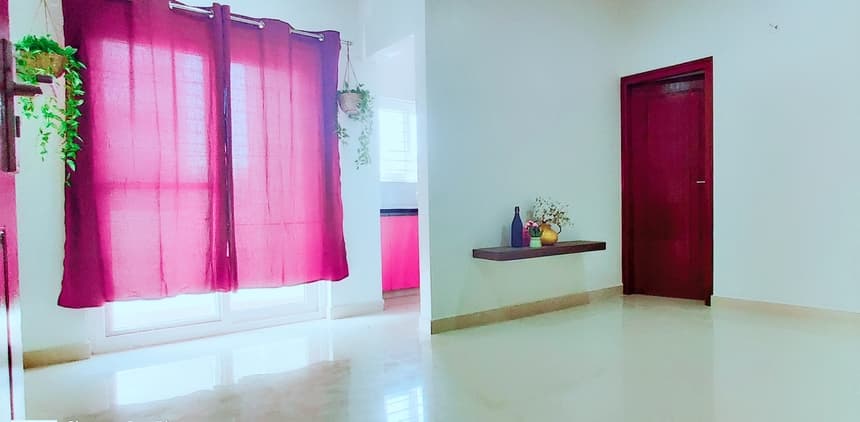 •8 min readThe Ultimate Living Experience on the Golden Quadrilateral—Premium PG and Coliving Near Cessna Business Park, Kadubeesanahalli, Bangalore (2026 Edition)
Welcome to the heart of the "Silicon Mile." In April 2026, Cessna Business Park in Kadubeesanahalli stands as a global landmark of corporate excellence. Ho…
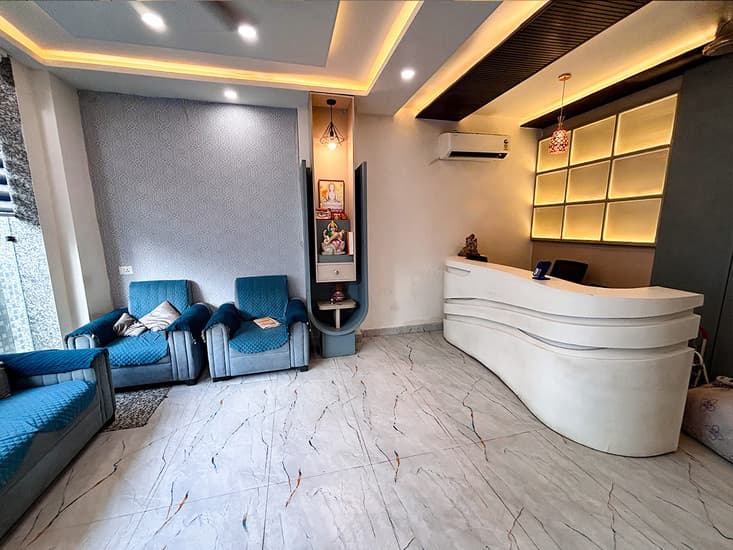 •7 min readThe Ultimate Student & Professional Hub—2026 Guide to PG and Coliving Near Jain University, Bangalore
Welcome to the vibrant heart of Bangalore’s academic excellence. In April 2026, Jain University remains a powerhouse of innovation, entrepreneurship, and s…