


PG stands for Paying Guest. It usually means renting a furnished room in a managed or host-run property with services like food, Wi-Fi, and utilities bundled into the stay.
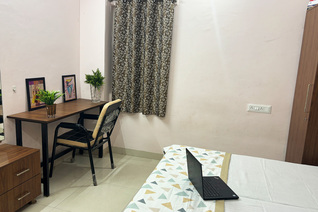
What Does PG Room Stand For?
Understand what PG room means, how Paying Guest accommodation works, what rent usually includes, and how it compares with hostels and flats.
•5 min read•Updated 2026-04-10
You just landed a job in a new city, but an empty apartment may be out of reach. The pg meaning in English translates to "Paying Guest." In this setup, you rent a room and pay one fee for space plus essential services.
For many newcomers, that simple definition matters because it explains why PG living can feel easier than setting up an entire flat from scratch. In practice, paying guest accommodation follows a "home-plus" model: a normal residential setup with added support like meals, cleaning, and basic utilities. If you are comparing structured options in a major city, browsing HelloWorld coliving in Bangalore is a useful way to see how bundled living is presented more transparently.
Defining the "Paying Guest": Why It Is More Than Just a Rental Room
Moving to a new city can feel overwhelming when you are balancing a new job or college schedule with daily chores. Understanding the real meaning of paying guest accommodation goes beyond renting a room. Unlike a solo apartment, where you manage everything yourself, a PG gives you a more supported setup inside a residential property.
One of the biggest advantages is financial predictability. Instead of paying separate bills for water, electricity, and internet every few weeks, one recurring payment often covers all of them. That is why so many first-time renters look at PGs before they consider a full rental lease.
This host-guest structure also creates a practical support system that many traditional rentals do not. When people ask what a PG room really means, the answer often includes the day-to-day extras: meals, room cleaning, or simply having an occupied and functioning home environment around you.
PG vs. Hostel: How to Choose Between Social Vibes and Home Comforts
The classic comparison for students and young professionals is PG versus hostel. While both involve shared housing, the core difference is atmosphere. Hostels are usually institutional environments with larger groups of residents. PGs are residential setups inside a home-like property.
That difference shows up in everyday life:
- Privacy: Hostels often use larger dorm-style sharing, while PGs commonly offer single or double rooms.
- Food: Hostel meals are usually mass-catered, while PG food often feels closer to home-style cooking.
- Curfews: Hostels usually follow stricter institutional schedules, while PGs may offer more flexibility.
- Resident mix: Hostels are often student-only, while PGs usually mix students and working professionals.
Your final choice depends on whether you value constant social energy or a more domestic, lower-density setup.
PG vs. Renting a Flat: Why Convenience Often Beats Total Freedom
Renting a flat sounds attractive until you realize how much setup is involved. Beds, appliances, utensils, Wi-Fi, cleaning, and groceries all need to be arranged separately. One of the biggest differences between PG and flat living is move-in readiness.
PGs are usually ready from day one. Flats often require major upfront purchases and a much larger initial deposit. Traditional landlords may ask for multiple months of rent in advance, while PGs often work with lower security deposits. That lower financial commitment makes PGs especially practical when your stay is short, uncertain, or linked to an internship, training period, or first job.
If you want the most flexibility while settling into a city, managed PG or coliving options usually reduce stress. For another city-level example, you can explore premium PG and coliving in Gurugram on HelloWorld.
What's Included in the Rent? Navigating Amenities and Rules
One reason PGs stay popular is that the rent often covers more than just the room. Instead of treating internet, utilities, food, and cleaning as separate chores and payments, a PG bundles much of that into one package.
A standard PG setup often includes:
- High-speed Wi-Fi
- Two or three daily meals
- Laundry support or access
- Daily housekeeping
- RO drinking water
Room type also changes the overall cost. Single occupancy usually costs more because it gives you privacy, while shared rooms reduce the monthly expense. Before booking, always review the house rules too. Curfews, visitor access, meal timings, and notice period terms affect your real day-to-day freedom more than the brochure usually suggests.
Most PG agreements also require a notice period, often around 30 days, before you move out. That detail matters because it is usually tied to how and when your security deposit is refunded.
Your 3-Step Plan for Finding a Safe and Affordable PG
Once you understand what PG means, the next step is choosing the right one. A quick checklist makes the process easier:
- Verify safety: Check entry security, locks, lighting, and CCTV coverage.
- Inspect the food and facilities: Visit during meal time if possible and test essentials like water, power backup, and internet.
- Read the agreement: Confirm total monthly cost, maintenance charges, notice period, and deposit refund terms before paying.
The right PG should make your transition into a new city smoother, not more stressful. Trust what you observe during visits, ask direct questions, and compare more than one option before deciding.
Other topics
Browse more articles on HelloWorld—jump to a topic page to see every post in that area.
Frequently Asked Questions
PGs usually offer fewer occupants per room, more privacy, home-style services, and a residential feel, while hostels are typically more institutional and high-density.
PG rent often includes the room, Wi-Fi, meals, housekeeping, drinking water, and some utilities, but you should still confirm exclusions like AC or laundry charges.
For short or uncertain stays, PGs are often easier because they need lower upfront setup, less furniture investment, and usually a smaller deposit than a full flat rental.
Similar blogs
 •6 min readPG Room: A Comprehensive Guide
Learn what a PG room means, how it differs from a hostel, what rent usually covers, and how to inspect a PG before you move in.
 •8 min readThe Silicon Valley of South Bangalore—The 2026 Ultimate Guide to PG and Coliving Near Global Village Tech Park, ISRO Layout, Bangalore
Welcome to the serene yet high-powered tech corridor of South-West Bangalore. In April 2026, Global Village Tech Park (GVTP) in Rajarajeshwari Nagar (RR Na…
 •8 min readLiving Above the Skyline—The Ultimate 2026 Guide to PG and Coliving Near World Trade Center (WTC), Bangalore
Welcome to the pinnacle of corporate prestige in North Bangalore. In April 2026, the World Trade Center (WTC) Bangalore, located within the integrated Brig…
 •9 min readBest Coliving in Bangalore near Christ University BGR 2026: Zero Brokerage & 5G Ready
Welcome to the vibrant soul of South Bangalore. In April 2026, the Christ University Bannerghatta Road Campus (BGR) has solidified its reputation as a prem…